THE SHORT ANSWER
Start with what VA cares about first, which is safety, structure, and sanitation, and then price the rest in order: roof, furnace and HVAC, plumbing, windows, and the fence last. There is no published average cost list for a neglected house, because every house is different, so the honest answer is a triage order and contractor bids, not a dollar figure. A VA renovation loan can roll eligible repairs into the purchase when the finished value supports the loan.
By Carlos Scarpero, NMLS #1674385
Last reviewed: November 2026
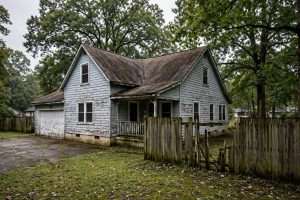
A buyer asked on Quora what immediate repairs to expect on a neglected house built in 1994: half the fence was missing, about 20 window frames had dry rot, and the furnace was old and loud. It is a good question, and the answer has two parts. The first part is what VA requires before it will guarantee the loan. The second part is what you should fix soon after moving in, even if VA does not require it. The two lists are not the same, and mixing them up is how buyers either walk away from a good house or buy a bad one.
Helping veterans buy and renovate homes that other lenders turn down because of property condition is a big part of what I do.
One thing I will not do in this article is give you an average dollar cost. The VA Handbook lists the kinds of repairs VA allows and requires, not an average cost list, and no honest average exists for a house I have not seen. A roof in Dayton and a roof in San Diego are different jobs. A furnace replacement depends on the size of the house and the system. Any article that hands you a single average repair bill for a neglected 1994 house is guessing. What I can give you is the order to price things in, and the way to pay for them.
What VA requires first: safety, structure, and sanitation
VA has Minimum Property Requirements, and they are about whether the home is safe, sound, and sanitary. The appraiser checks them, and the lender cannot close until they are met or handled through one of the allowed paths. The requirements live in Chapter 12, Topic 1 of the Lender’s Handbook, and they cover the roof, the mechanical systems, the plumbing and electrical, the structure, water and sanitation, and access.
VA HANDBOOK EXCERPT: MINIMUM PROPERTY REQUIREMENTS
“MPRs help ensure that the property is safe, structurally sound, and sanitary. The scope of MPRs also includes issues related to the property’s location and legal considerations.”
Source: VA Pamphlet 26-7, Chapter 12, Topic 1, change dated February 27, 2026, effective May 1, 2026.
Apply that to the house in the question. Dry rot on about 20 window frames is not a cosmetic issue when it goes deep. Rot can mean water getting into the wall, and water in the wall can mean structure damage behind the trim. The appraiser will flag windows that do not work, do not seal, or show rot that affects the structure. An old loud furnace is a different question: loud is not the same as broken. If the furnace heats the house and the system is safe, VA may not require a replacement. If it is cracked, unsafe, or cannot heat the home, it becomes a required repair. A missing fence, on its own, is generally not a VA issue unless it affects safety or access.
That triage is the skill in a neglected house. The fence looks dramatic and the furnace sounds dramatic, but the window rot is the item most likely to stop the loan, because it can hide water damage. My guide to what happens when a VA appraisal fails on repairs explains the options when the appraiser flags an item: fix it, get a waiver where VA allows one, escrow the repair where an escrow is allowed, or finance it through a renovation loan.
The triage order: what to price first
When I walk a borrower through a house like this, I price in this order:
| Priority | Item | Why it comes first |
|---|---|---|
| 1 | Roof and water entry | A bad roof ruins everything under it |
| 2 | Structure and rot, including window frames | Rot spreads and hides damage |
| 3 | Furnace, HVAC, and water heater | Heat and hot water are VA requirements |
| 4 | Plumbing and electrical | Leaks and unsafe wiring are safety items |
| 5 | Windows and doors that do not seal or work | Weather, security, and energy loss |
| 6 | Fence and yard | Usually cosmetic, price it last |
Get a home inspection first, before you price anything. The inspector finds what you cannot see: the roof deck under the shingles, the joists under the rot, the panel behind the cover. Then get contractor bids on the items the inspector and the appraiser flag. One bid is a guess. Two bids are a range. Three bids are a budget.
How a VA renovation loan can pay for the work
A VA renovation loan rolls eligible repairs into the purchase loan, so you buy the house and fix it with one loan instead of two. The repairs have to be the kind VA allows, which Chapter 7, Topic 4 of the Handbook covers, and the finished value of the home has to support the total loan. The work is done after closing, with draws paid to the contractor as the work is completed.
That structure fits this house well. The window rot, the furnace, and the roof are exactly the kind of repairs a renovation loan is built for. The fence is the kind of item that usually is not the reason to choose a renovation loan. My guide to VA renovation loans explains the program, and my guide to how a VA renovation loan can help you create your dream home walks through the options side by side. If you are weighing a VA renovation loan against an FHA 203k, my comparison of a VA renovation loan vs FHA 203k covers the differences.
A few cautions. First, not every lender offers VA renovation loans, and the ones that do have their own rules about which repairs they will finance, how many draws they allow, and which contractors they accept. Those are lender overlays, not VA rules, so ask before you fall in love with the house. Second, the appraisal has to support the finished value. If the repaired house is not worth the purchase price plus the repair cost, the loan does not work. Third, the work takes time, and you cannot move in until the required items are done.
Looking at a fixer-upper and not sure it will pass VA?
Take the quiz and I will review your situation and tell you what I see.

What the seller can do, and what you should not accept
On a VA loan, the seller can pay for repairs before closing, and the seller can also pay concessions toward your closing costs. What the seller cannot do is make a required repair disappear with a price cut. A lower price does not fix a leaking roof or a rotted frame. The repair still has to be done and verified, waived where a waiver is allowed, escrowed where an escrow is allowed, or financed through a renovation loan. My guide to the VA appraisal and failed repairs explains that split in detail, and my guide to VA minimum property requirements explains the standard itself.
On inspection-only items, a price cut can make sense. The fence is a good example. If the fence is missing and nothing about it affects safety or access, a credit or a lower price lets you build the fence after closing on your own schedule. The trick is knowing which items are VA items and which are yours. The appraiser decides the first list. You and your inspector decide the second.
Get the repair conversation in writing before you remove contingencies. A verbal promise to fix the furnace is worth nothing at closing. A written amendment with a scope, a contractor, and a completion date is worth everything.
Your path, step by step
- Step 1: order the home inspection. Do not skip it because the house is cheap.
- Step 2: read the inspection with the VA triage order in mind: roof, structure, heat, plumbing, electrical, then the rest.
- Step 3: get contractor bids on the flagged items, at least two per trade.
- Step 4: ask your lender whether a VA renovation loan fits, and what their overlay requires.
- Step 5: check the finished value with the appraiser before you commit to the repair scope.
- Step 6: put the repair plan in the contract in writing, with who pays and who verifies.
If you are already under contract on a house like this and the appraisal came back with repair conditions, do not panic. Read the frequently asked questions about VA renovation loans and then call me at 937-572-3713 or email me at [email protected]. Tell me what the appraiser flagged and what the contractor bids say, and I will tell you which path fits: fix, waiver, escrow, or renovation loan.
This question came from veterans asking on Quora. I answer it in full here, and you can see the other questions in What Veterans Are Asking About VA Loans on Reddit and Quora.
Frequently asked questions
What is the average cost of immediate repairs on a neglected house?
There is no reliable published average, because the cost depends on the roof, the systems, the structure, and local labor prices. The VA Handbook lists the kinds of repairs VA allows and requires, not an average cost list. Get a home inspection and two or three contractor bids on the flagged items instead of trusting an average.
Will VA require the furnace to be replaced if it is old and loud?
Not necessarily. Loud is not the same as broken. If the furnace heats the home safely, VA may not require a replacement. If it is cracked, unsafe, or cannot heat the home, it becomes a required repair. The appraiser and an HVAC contractor make that call.
Does dry rot on window frames fail a VA appraisal?
It can, when the rot affects the structure, lets water into the wall, or keeps the window from working or sealing. Surface rot on trim is a different matter from rot in the frame. The inspector and the appraiser decide which one it is.
Can a VA renovation loan cover the repairs on a neglected house?
Yes, when the repairs are the kind VA allows and the finished value supports the total loan. Eligible repairs are rolled into the purchase loan, and the contractor is paid in draws as the work is completed. Not every lender offers the program, and each lender has its own overlay rules.
Can the seller just cut the price instead of doing the repairs?
Not for a repair VA requires. A lower price does not make a required repair go away. The work still has to be done and verified, waived where allowed, escrowed where allowed, or financed through a renovation loan. A price cut can work for inspection-only items like a fence.
Should I skip the inspection because the house is cheap?
No. A cheap neglected house is exactly the house that needs an inspection most. The inspector finds the roof deck, the joists, and the wiring you cannot see, and the inspection is what turns a guess about repairs into a budget.
Want me to look at your file?
Take the quiz and I will review your situation and tell you what I see.
Sources
VA Home Loans, U.S. Department of Veterans Affairs. VA Pamphlet 26-7, Chapter 12, Topic 1 sets the Minimum Property Requirements, and Chapter 7, Topic 4 covers loans for alteration and repairs.
VA Renovation Loans: Buy or Refinance and Repair in One Loan (Scarpero.com). How a renovation loan rolls eligible repairs into the purchase.
VA Loan Minimum Property Requirements (Scarpero.com). The safety, structure, and sanitation standard in plain English.